When to Send Wedding Invitations
Part of: How to Send Invitations and Manage Guests Online
A clear timeline for save the dates, wedding, engagement and reception invitations, RSVP dates and multi-function weddings.

When should you send wedding invitations?
Send wedding invitations six to eight weeks before the wedding, and save the dates six to eight months before. For a destination wedding or a holiday weekend, lean towards the earlier end of both. Ask guests to reply three to four weeks before the day, so your caterer and venue get a firm count in time.
6 to 8 months before, nearer 8 if guests travel
6 to 8 weeks before the first function
3 to 4 weeks before, so the caterer gets a firm count
call only the guests the Event Report shows as pending
Send too early and guests forget. Send too late and your favourite aunt has already booked a trip for that weekend. The right window is narrower than most couples think, and it moves when there are several functions or guests flying in.
Here's a timeline to work back from, and how to run it on Evatril.
What is the standard wedding invitation timeline?
The Knot recommends sending wedding invitations six to eight weeks before the wedding, and eight weeks ahead for a destination wedding (The Knot, updated July 2026). For save the dates it suggests six to eight months, leaning towards eight for a far-off location or a holiday weekend (The Knot). Here's the whole plan at a glance.
Does a digital invitation change the timing?
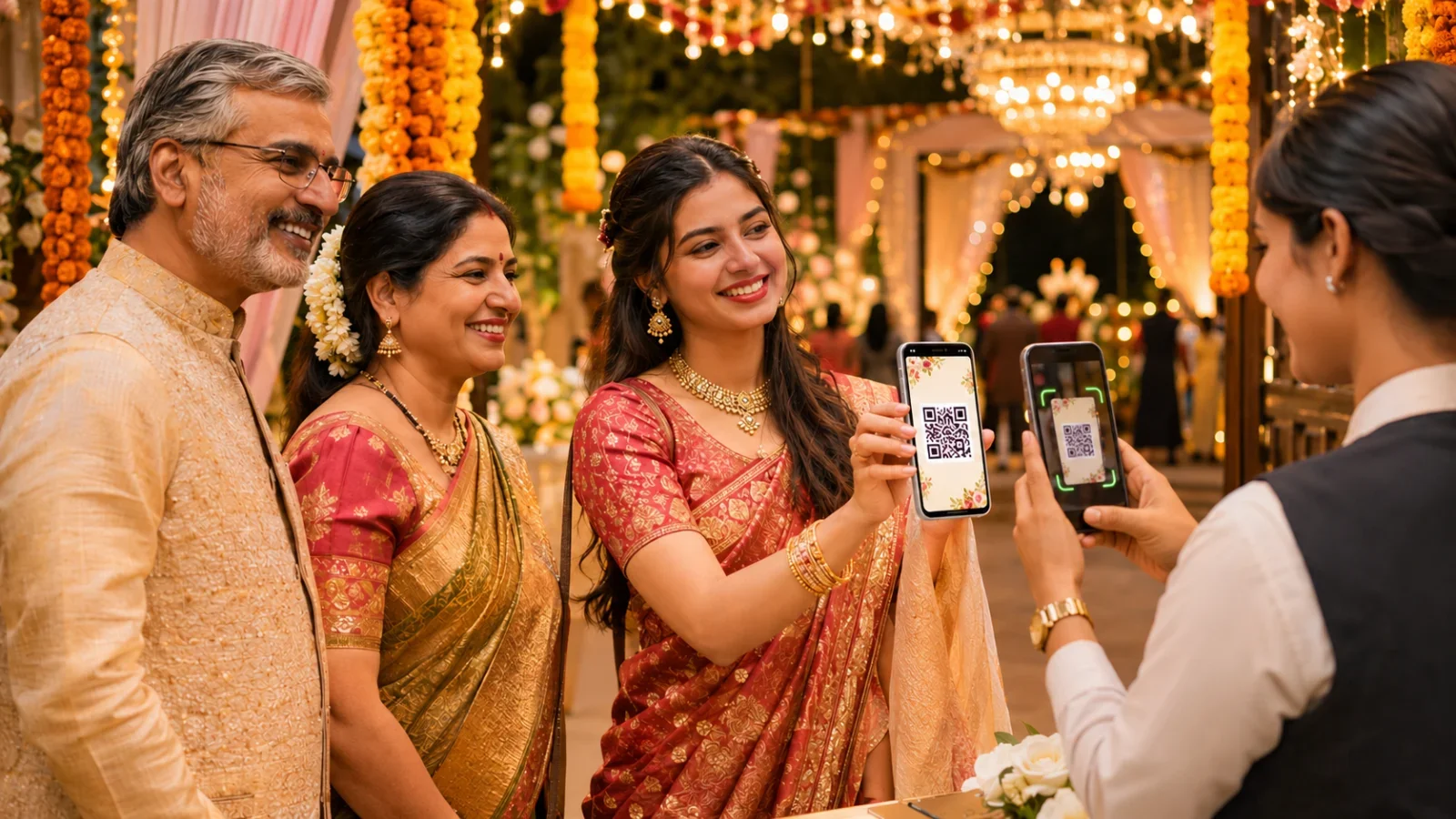
A little. A digital invitation arrives the moment it's sent and a reply takes one tap, so you lose the postal delay at both ends; The Knot notes that with digital RSVPs you can send closer to six weeks. If you're also sending printed cards, a digital invitation about two weeks before the day works well as a reminder of the card. Just don't let a late digital invitation replace the main one: guests still need the same weeks to book leave, tickets and outfits. And because the invitation opens on its own page with the guest's name, not as one more forward in a chat, it lands as a proper invitation even when it arrives on a phone.
What changes is the end of the timeline. On Evatril, replies close automatically 72 hours before the event date and time. After that, the last answer stands.
How do you time a multi-function wedding?
Count back from the first function, not the wedding day.
With Single Invitation Multi-RSVP, one invitation covers the Mehndi, Sangeet, wedding and reception, and each function closes 72 hours before its own date and time. So if the Mehndi is on Thursday at 7 pm, its replies close on Monday at 7 pm, even though the reception is days later.
Send six to eight weeks before the earliest function. An engagement or reception on a separate date keeps its own window.
How do you send and follow up on Evatril?
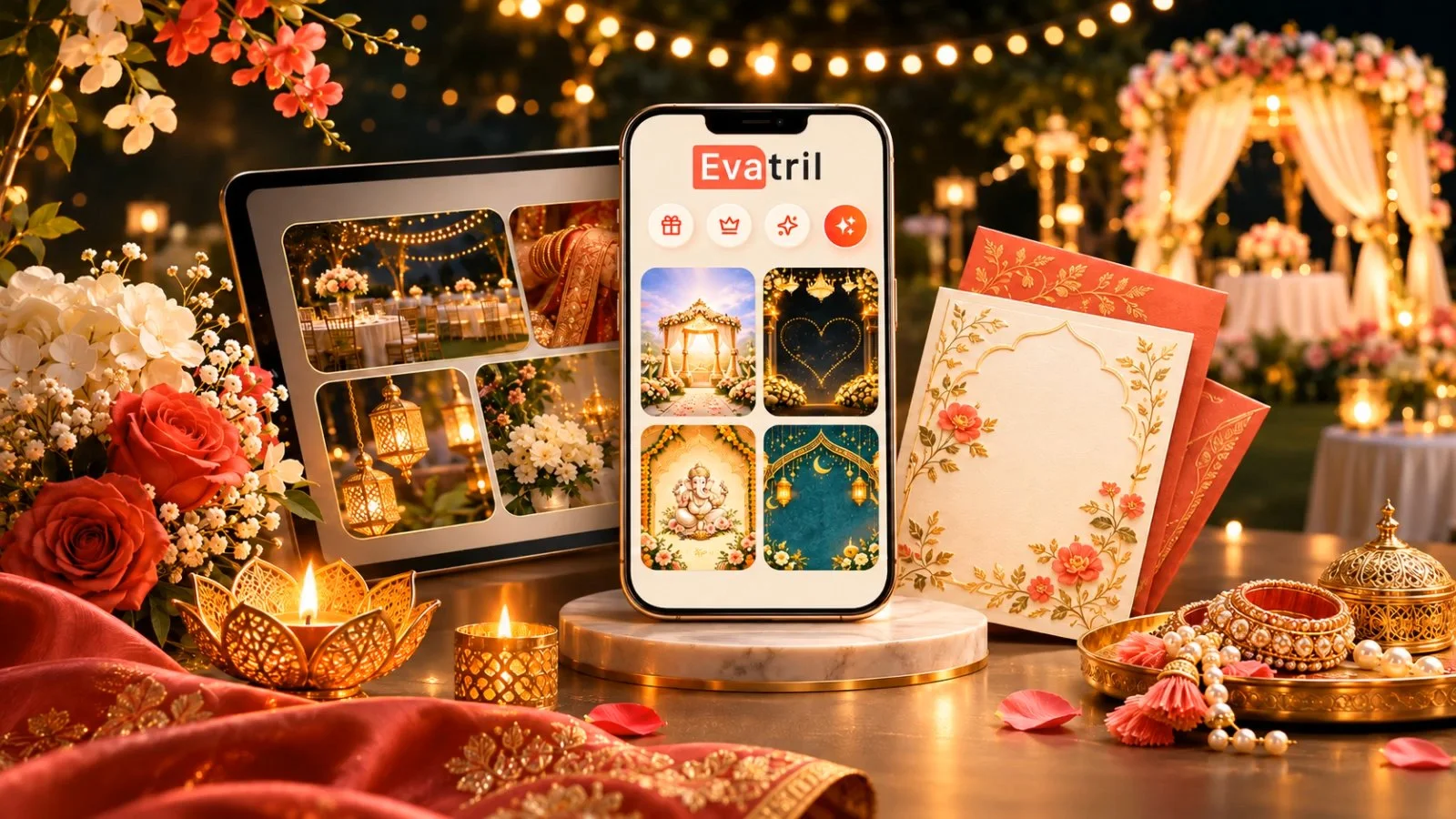
Start with a Save the Date. It's one of the invitation types, and creating it is free. Send it as soon as the date and venue are fixed, well before the full invitation is ready.
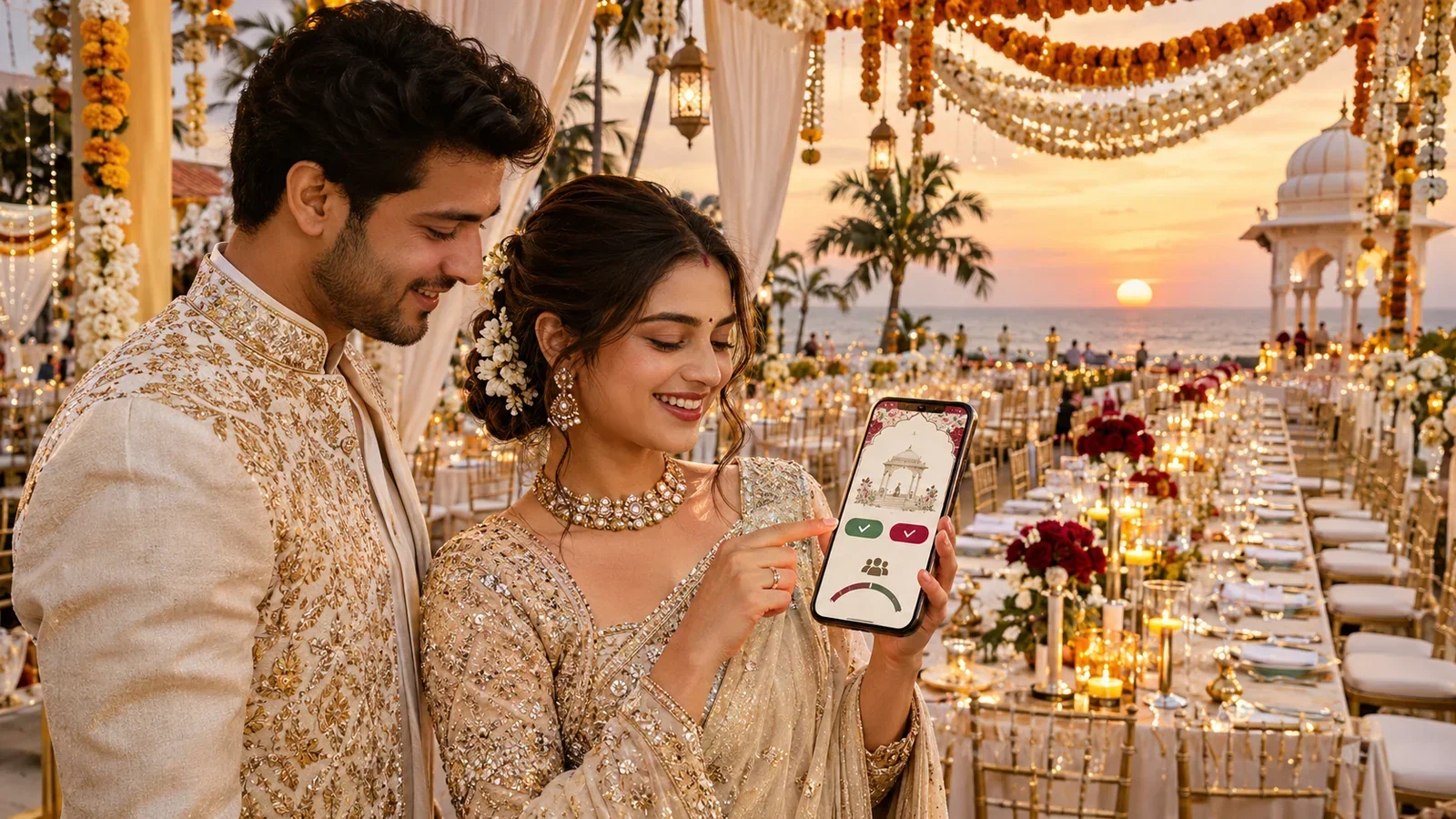
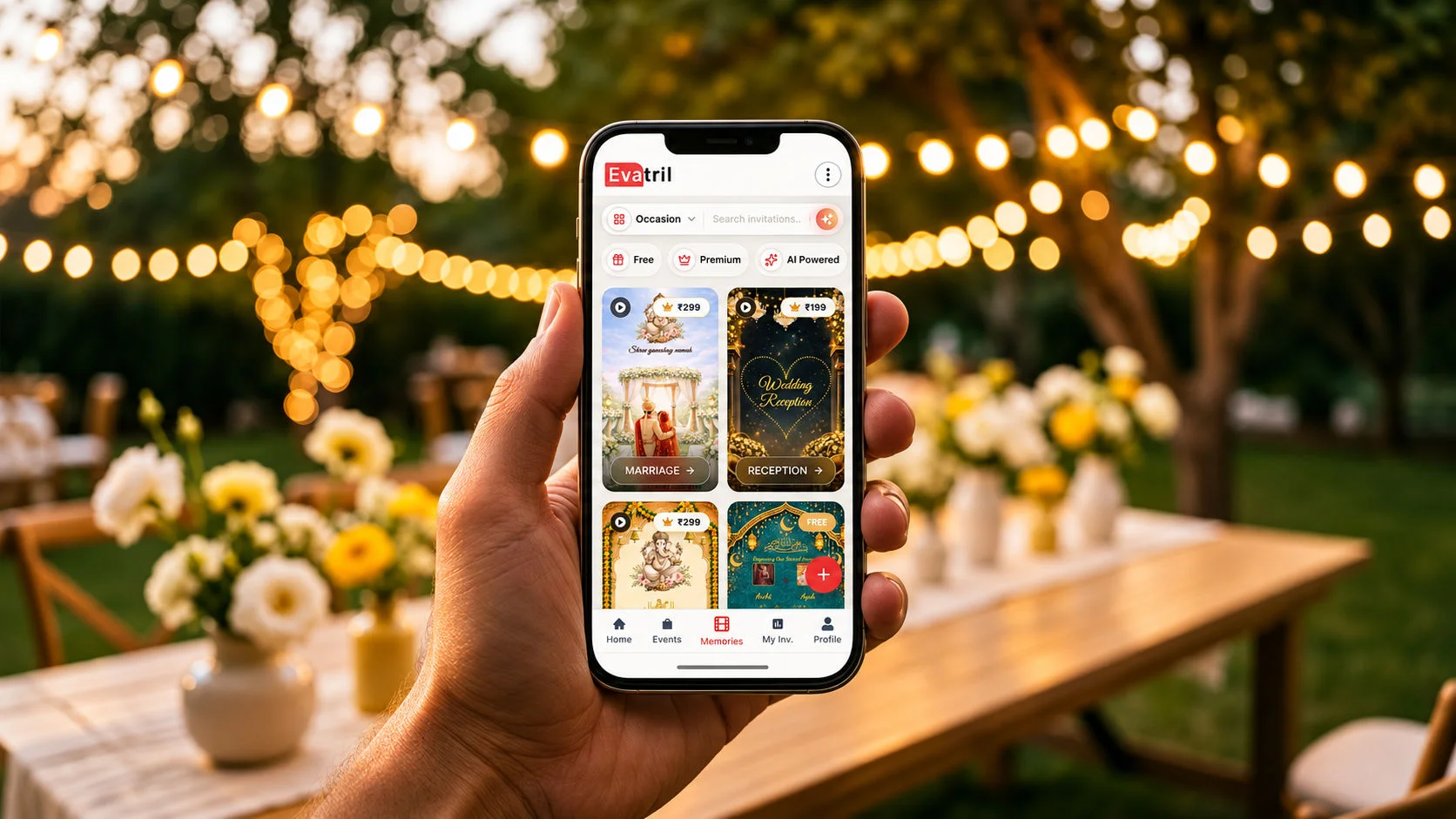
Schedule the invitation. When you send, choose Send Now or Schedule Later. Schedule Later pre-fills today's date at the current time plus 30 minutes, and you can change both, so set it for the day that falls six to eight weeks out. On that day each guest gets a WhatsApp or RCS notification, and their own invitation opens on Evatril with Will Attend and Not Attending.
Plan around your caterer, not the platform. If the caterer wants final numbers ten days before, put an RSVP date about three weeks out in your wording, and treat the 72-hour close as a backstop, not your deadline.
Follow up yourself. Evatril doesn't send automatic reminders. A week after your RSVP date, open the Event Report, see who hasn't opened the invitation or replied, and call or message just those guests. That's how RSVP tracking saves you from ringing all 300 people. The full flow is in our guide to sending invitations and managing guests online.
Pick your dates once: Schedule Later sends on the right day, and the Event Report shows who still needs a call.